

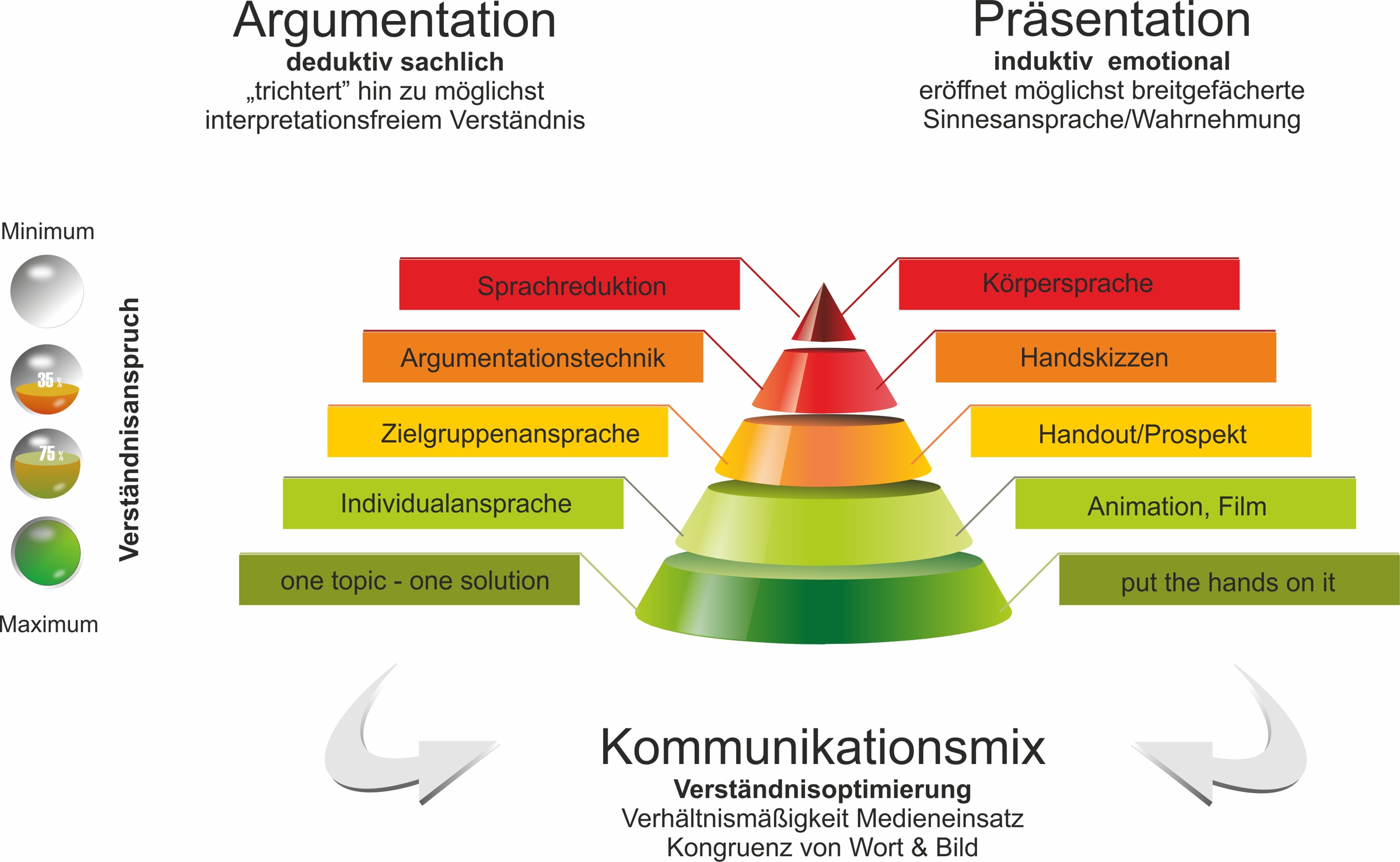
Choosing the appropriate Präsentationstechnik can often feel like a complex task, especially when the success of your message hinges on it. The way you present information significantly influences how your audience perceives and retains your content. It’s not just about what you say, but also how you say it, what tools you use, and how you engage with those listening. From formal corporate settings to casual community meetings, different situations demand distinct approaches to ensure clarity, impact, and connection. Understanding the factors that guide this choice is key to becoming a more effective communicator.

Overview
- Successful presentation techniques are always tailored to the specific audience.
- The primary goal of your presentation dictates the most suitable method and style.
- The complexity and nature of your content influence visual aid selection and storytelling.
- Various tools, from simple whiteboards to interactive software, can aid your delivery.
- Effective delivery relies on a blend of clear speaking, body language, and audience interaction.
- Rehearsal and confidence are foundational to mastering any chosen Präsentationstechnik.
Understanding Your Audience and Präsentationstechnik
Before selecting any Präsentationstechnik, the first step is to thoroughly understand who you are speaking to. Your audience’s background, existing knowledge of the topic, expectations, and even cultural context will heavily influence which techniques will be most effective. For instance, a highly technical presentation for industry experts will require a different approach than a motivational speech for new employees. If your audience includes people from diverse professional backgrounds, or even across different countries like the US, it’s important to simplify jargon and use universally understood examples. Are they visual learners who benefit from graphics and charts? Do they prefer interactive sessions where they can ask questions and participate? Or do they expect a more formal, lecture-style delivery? Tailoring your technique to fit their needs ensures your message lands effectively and avoids disengagement or confusion. Ignoring this crucial first step can lead to a perfectly prepared presentation falling flat simply because it wasn’t designed for the right ears.
Aligning Your Purpose with the Right Präsentationstechnik
Every presentation has a core objective, and this purpose must directly inform your choice of Präsentationstechnik. Are you aiming to inform, persuade, educate, inspire, or entertain? An informative presentation, for example, might prioritize clear data visualization and structured narratives, perhaps using a traditional slide deck with minimal distractions. If your goal is to persuade, storytelling, emotional appeals, and strong rhetorical devices become more important, possibly incorporating video clips or testimonials. For educational purposes, interactive elements like quizzes, group discussions, or hands-on demonstrations can be highly beneficial. When the purpose is to inspire, a more dynamic, energetic delivery style with strong personal anecdotes and calls to action might be appropriate. Clearly defining what you want your audience to think, feel, or do after your presentation provides a roadmap for selecting the most impactful techniques. Without a clear purpose, even the most elaborate presentation can lack direction and impact.
Content and Visual Aids in Präsentationstechnik
The nature of your content plays a significant role in determining the most effective Präsentationstechnik, particularly when it comes to visual aids. Is your topic data-heavy, requiring charts, graphs, and infographics to convey complex information clearly? Or is it more conceptual, benefiting from metaphors, analogies, and evocative images? Perhaps you are demonstrating a product or process, which would necessitate live demonstrations, video tutorials, or physical props. The volume of information also matters; a dense topic might require a slower pace and more frequent pauses for questions, while a lighter subject allows for quicker transitions. The chosen visual aids should complement, not overshadow, your verbal message. They should clarify and reinforce key points, making the content more accessible and memorable. Overloading slides with text or using inconsistent visuals can distract and detract from your message, regardless of how well-researched your content is. Choosing the right visuals is an integral part of an effective Präsentationstechnik.
Choosing Tools and Delivery Styles for Effective Präsentationstechnik
The array of tools and delivery styles available can seem daunting, yet each offers distinct advantages for specific situations. When considering your Präsentationstechnik, think about the environment you will be in. Will you have access to projectors, interactive whiteboards, or simply a flip chart? Are you presenting virtually, demanding proficiency with screen sharing and online engagement tools? Beyond technology, your personal delivery style is a powerful tool. Are you comfortable with a highly interactive approach, fielding questions throughout, or do you prefer a more structured Q&A session at the end? Some presenters excel with a conversational, informal tone, while others command attention with a more formal and authoritative presence. Practice with your chosen tools and delivery style is paramount. Rehearsing not only helps you become familiar with the equipment but also allows you to refine your pacing, gestures, and vocal variety. Effective use of pauses, emphasis, and body language can dramatically enhance any presentation, making the content more engaging and impactful.
Practice and Confidence in Mastering Präsentationstechnik
Regardless of which Präsentationstechnik you ultimately choose, the foundational elements of practice and confidence remain critical. Even the most perfectly crafted slides or engaging visuals will fall short without a confident and well-rehearsed delivery. Practice helps you internalize your content, allowing you to speak naturally rather than reading directly from notes or slides. It also enables you to anticipate potential questions, manage your time effectively, and smoothly transition between points. This preparation builds confidence, which in turn projects credibility and authority to your audience. When you appear self-assured, your audience is more likely to trust your message and remain engaged. Confidence isn’t about being flawless; it’s about being prepared enough to handle unexpected situations gracefully and to connect authentically with your listeners. Consistent practice is the bridge between knowing your material and successfully delivering it using your chosen Präsentationstechnik.