

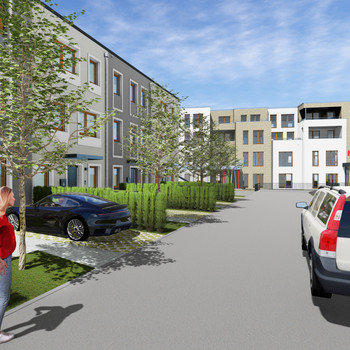
When families look for a home, particularly a rental, they often weigh many factors beyond just the number of bedrooms. Space for children to play, a sense of security, access to amenities, and community atmosphere are all crucial. While detached houses might seem like the obvious choice for family living, terraced houses, or “Reihenhäuser” as they are known in Germany, offer a compelling and often overlooked alternative that can be incredibly family-friendly. These homes, usually built in a row sharing side walls with neighbors, present a unique blend of privacy, community, and practicality. Understanding what makes a terraced house suitable for families can help many households make an informed decision when searching for their next home.
Overview
- Terraced houses offer a practical and often more affordable alternative to detached homes for families.
- Their multi-level layouts typically provide clear separation between living spaces and sleeping areas, which is beneficial for family routines.
- Many terraced homes come with private gardens or patios, essential for children’s outdoor play and family relaxation.
- The design of terraced house developments often fosters a strong sense of community, with shared green spaces and quiet streets.
- Proximity to schools, parks, and public transport is a common advantage of terraced house locations.
- Enhanced security, due to neighbors being close by and fewer external walls, can be a significant draw for families.
- Renting a terraced house can provide stability and space without the long-term commitment of ownership.
Layout and Space: Room for Growth and Play
One of the primary benefits that makes a terraced house family-friendly is its typical layout. Unlike apartments, terraced houses often span multiple floors, providing a clear division between living and sleeping areas. This vertical separation allows for a dynamic family life where children can play on one floor without disturbing adults working or relaxing on another. Most terraced homes include a ground floor with a living room, kitchen, and often a dining area, while bedrooms and bathrooms are located upstairs. This design offers a sense of individual space for each family member, which is invaluable as children grow.
Furthermore, terraced houses frequently offer more usable square footage than apartments within a similar price range. This means ample room for children’s toys, study areas, and general family activities. Storage solutions are also often more generous, with attics, basements, or built-in cupboards being common features. For families in countries like Germany and the UK, as well as parts of the US where terraced homes are prevalent, this efficient use of space is a significant draw. The ability to have dedicated playrooms or home offices without compromising bedroom space can greatly improve family harmony and functionality.
Outdoor Areas and Safety: Private Havens and Community Watch
A key aspect of a family-friendly home is access to outdoor space. Many terraced houses boast private back gardens or patios, providing a safe and contained environment for children to play, parents to relax, and families to entertain. While these gardens may not always be expansive, they offer a precious piece of nature that is often absent in apartment living. Even a small patch of grass or a paved area can make a huge difference for families with young children or pets. For families keen on gardening or simply enjoying fresh air, this private outdoor retreat is invaluable.
Beyond private gardens, the structure of terraced neighborhoods often contributes to a heightened sense of safety. With houses built in rows, there are usually fewer external walls exposed, and neighbors are naturally closer, creating a “community watch” effect. This can deter crime and provide a sense of security for parents. Many terraced house developments are also designed with quiet residential streets, sometimes cul-de-sacs, which limit traffic and make it safer for children to play outside. Proximity to local parks and green spaces is another common feature, extending the play opportunities beyond the private garden.
Community and Location: Building Connections and Convenience
The community aspect of terraced house living is profoundly family-friendly. These neighborhoods often foster a strong sense of belonging, where neighbors know each other and children can form friendships with those living next door or down the street. This can be particularly beneficial for parents seeking support networks and for children to develop social skills. Shared amenities, such as communal playgrounds or green areas within a terraced complex, further strengthen these community bonds.
Locations where terraced houses are common are often well-established, offering excellent access to essential amenities. This typically includes a short walk or drive to schools, kindergartens, public libraries, local shops, and healthcare facilities. Good public transport links are also frequently available, reducing reliance on cars and simplifying daily commutes for parents and independent travel for older children. The convenience of having everything within easy reach significantly reduces daily stress for busy families. This blend of community spirit and practical convenience makes Reihenhaus mieten familienfreundlich an appealing option for many.
Value and Practicality: A Smart Choice for Families
From a practical standpoint, renting a terraced house can offer significant value for families. Compared to detached homes, terraced houses are often more affordable to rent, offering more space and outdoor access at a lower cost. This can free up finances for other family necessities or activities. Furthermore, rental properties mean that maintenance responsibilities generally fall to the landlord, which can be a huge relief for parents who already have many demands on their time. There is no need to worry about major repairs or property upkeep, allowing families to focus on enjoying their home life.
The stability of a terraced house rental can also be a significant benefit. While renting can sometimes imply transient living, terraced homes offer a sense of permanence and a stable environment for children to grow up in, particularly with longer lease agreements. This stability is crucial for establishing routines, forming friendships, and settling into school. The energy efficiency of terraced houses, due to shared walls reducing heat loss, can also lead to lower utility bills, which is another practical advantage for family budgets. All these factors combine to make a terraced house a thoughtful and practical choice for families seeking a balanced and comfortable living situation.